What Documents Do You Need to Rent a Car in Romania
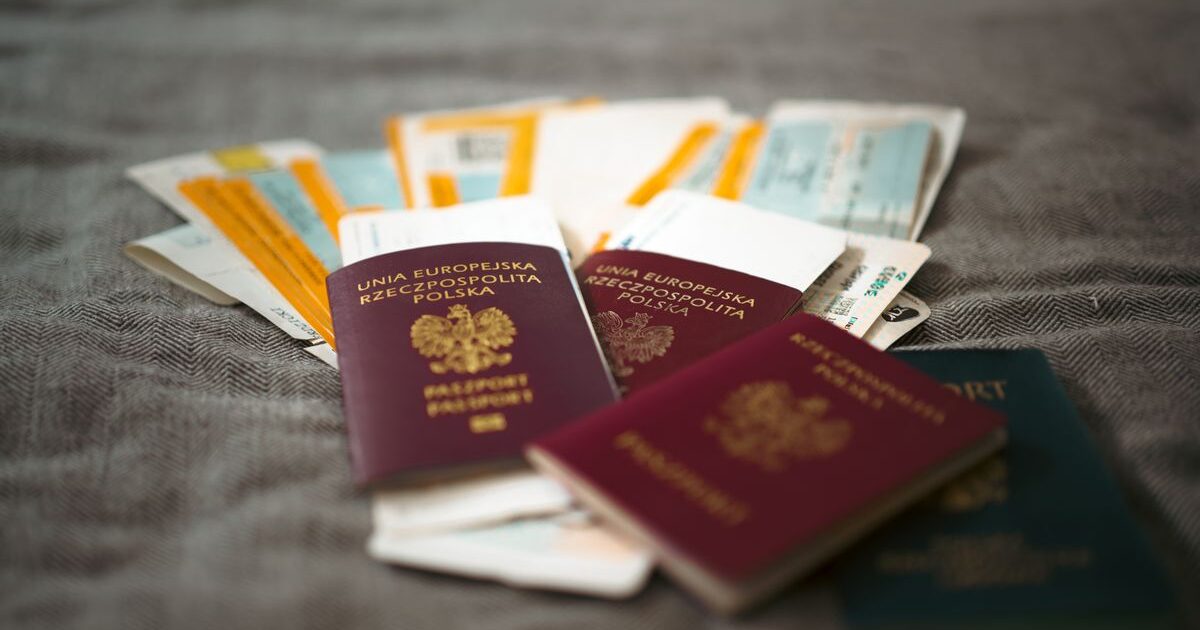
Booking a car online takes about five minutes: pick a class, set your dates, choose a pickup point, and the system shows you the price on the spot, in both the deposit and no-deposit versions. The easy part ends there. At the handover counter, if your paperwork isn’t exactly what’s required, the booking can be delayed or refused outright, even after you’ve paid and even after our team has already called to confirm the reservation. We see this most often with foreign visitors who didn’t realise their driving licence needs a companion document, but it also happens to Romanians who show up with an ID card that expired three days earlier or a licence issued less than a year ago.
The paperwork required to rent a car in Romania isn’t complicated, but it does need to be sorted out in advance, particularly if you’re arriving from outside the European Union. Below we walk through the full document checklist, explain the one-year licence rule and the minimum age policy behind it, describe exactly what happens at vehicle handover, cover what to do if you’ve forgotten something, and outline the practical differences between a foreign tourist and a Romanian resident renting locally.
The full document checklist: what to bring on pickup day
Whichever car you choose from our fleet of 9 models — anything from a Dacia Logan to a Skoda Superb — the baseline paperwork is the same for every main driver. You need a valid identity document, an original driving licence, and a payment card in your own name. All three must be shown physically, in original form, at pickup — photos on a phone, scanned copies emailed ahead, or digital licence apps are not accepted, however common they may be back home.
Here’s the checklist we recommend running through before heading to your pickup point, whether that’s central Bucharest, Otopeni airport, or Băneasa:
One detail people frequently overlook: your passport needs to stay valid for the entire rental period, not just on pickup day, and if you booked weeks in advance it’s worth double-checking the expiry date again right before travelling — a passport expiring within days can cause problems at border control as well as at the rental counter.
- A valid identity document in original form — a national ID card for Romanian citizens, a passport for foreign nationals
- An original, valid category B driving licence held for at least one year from its issue date
- An International Driving Permit (IDP), required only if your licence wasn’t issued in an EU/EEA country or isn’t written in Latin script
- A payment card issued in the main driver’s name, used either for the security deposit hold or for the daily no-deposit supplement
- Your booking confirmation number from the phone call, useful for quick check-in at the counter
- For an additional driver, if you’re adding one: the same set of documents — valid ID and a licence with the required minimum age and tenure
Driving licence rules: minimum tenure, categories, and the International Driving Permit
The core rule is straightforward: your category B licence must have been held for at least one year by the day you pick up the car. Tenure is counted from the date category B was first issued, not from whenever you obtained some other licence category, and if your licence was reissued after a suspension, some agencies restart the clock from the new issue date — it’s worth asking directly when you book if this applies to you.
For citizens of the European Union and the European Economic Area, plus Switzerland, a national licence is all you need — no extra paperwork. It’s different for visitors from outside that zone: if your licence isn’t written in Latin script or doesn’t follow the European model, you’ll need an International Driving Permit, issued under the 1968 Vienna Convention on Road Traffic, to which Romania is a signatory. This applies routinely to visitors from China, Russia, Ukraine, the United Arab Emirates, Israel, and South Korea. For visitors from the US, Canada, the UK, Australia, or Japan, we still recommend carrying an IDP even where partial recognition exists through bilateral arrangements — it’s simpler and removes any argument at the counter.
One thing worth stressing: an IDP never replaces your national licence, it accompanies it. You need to present both documents together, and the IDP can only be obtained in your home country before you travel, through your national motoring authority — AAA or AATA in the US, for instance. It cannot be issued in Romania for a visiting foreign driver, so anyone who discovers at the pickup desk that they need one is usually out of options for that day.
The minimum age of 21: why insurers care
Our minimum rental age is 21, combined with a minimum licence tenure of one year. That isn’t an arbitrary number: the insurers underwriting the mandatory third-party liability policy (RCA) carried on every car in the fleet price their cover and set their terms according to a driver’s risk profile, and traffic statistics consistently show younger, less experienced drivers involved in a disproportionate share of at-fault accidents — especially in dense urban traffic like Bucharest’s.
Matching our eligibility rules to what insurers require isn’t red tape for its own sake; it’s what keeps the RCA cover valid for the entire length of the contract. Some rental companies add a young-driver surcharge for anyone under 25 even once they clear the basic threshold; our policy is not to charge that extra fee as long as the one-year licence tenure is met, though it’s still worth confirming this detail directly on the booking form when you reserve.
What happens at vehicle handover: step by step
The first step is meeting your representative at the chosen pickup point — downtown Bucharest, Henri Coandă Airport in Otopeni, or the private aviation area at Băneasa. If you’re arriving via Otopeni, it’s worth reading our dedicated guide to renting a car at the airport beforehand, which covers exactly where to meet the agent and how long the process typically takes after landing.
The second step is document verification: the agent checks your identity document, original driving licence, and IDP if applicable, then confirms which version of the booking you selected — with deposit or without. On the deposit version, a hold (pre-authorisation) is placed on your card for the agreed deposit amount, released automatically after the car is returned if there’s no damage or outstanding charges. On the no-deposit version, no amount is held at all; instead a small daily supplement is added to the base rate. For a full comparison of costs and which version suits which situation, our article on deposit versus no-deposit rentals goes through the numbers in detail.
Third comes signing the rental agreement, whose full clauses are laid out in our terms and conditions, followed by the vehicle walkaround inspection: the agent and driver go around the car together, noting any existing scratch, dent, or defect on a condition report, usually backed up with photos, and both sides sign it. Fuel level gets checked too — the standard policy is full-to-full, meaning you receive the car with a full tank and return it the same way; bring it back with less and a refuelling charge applies at a rate above what you’d pay at the pump.
The final step is handing over the keys and the vehicle documents, along with a contact number for anything that comes up during the rental — a flat tyre, a minor bump, a route question, or extending the rental period.
What if you’ve forgotten a document
There’s genuinely little flexibility here: without an original identity document or a valid physical driving licence, our agent cannot legally hand over the car, regardless of verbal assurances or a photo pulled up on a phone. The same applies to the International Driving Permit — if you’re visiting from a country where it’s required and you don’t have it with you, it can’t be issued locally on short notice, since it’s only ever issued in your country of residence.
The most common mistake we see at Otopeni is travellers packing their driving licence into checked luggage “so it doesn’t get lost” — which is exactly the wrong move. Our advice: check every required document the evening before you travel, keep your licence and, if relevant, your IDP in your hand luggage rather than anything checked in, and have your booking confirmation number ready. If you spot a problem before pickup day — a passport nearing expiry, a licence that doesn’t yet meet the one-year rule — contact us as early as possible; there’s often room to reschedule or sort things out at no extra cost if you flag it with enough notice.
Foreign tourists vs. Romanian residents: the practical differences
For foreign tourists, the standard file includes a passport, the driving licence from your home country, an IDP where required, and a working international payment card accepted for the deposit. It also helps to know a few local traffic basics beforehand — Romania drives on the right, same as most of continental Europe — and if you’re planning to cross a border with the rental car, check the contract terms in advance for whether that’s allowed and under what conditions.
For Romanian residents, the file is simpler: a national ID card and a Romanian driving licence, no IDP needed. The same one-year tenure rule and 21-year minimum age still apply, though, and tenure is still counted from the date category B was first issued — not from the age you turned 18, if your licence was obtained later or reissued after a suspension.
Frequently asked questions about documents and rental
Can someone else be an additional driver? Yes, as long as they meet the same age and licence-tenure requirements and present their own documents at handover; they can be added either when you book or directly at the counter, usually for a small extra fee.
What if my licence isn’t written in the Latin alphabet — say, Cyrillic, Arabic, or Chinese characters? You’ll need either an International Driving Permit or a certified translation to accompany your original licence; without one of the two, the agent has no way to verify its validity and category.
Is a credit card mandatory for the deposit? Generally yes for the deposit version, since a pre-authorisation hold works most smoothly on credit cards; for the no-deposit version, a debit card is usually fine, since no amount is held at all.
What if my ID card expired a few days before pickup? The document has to be valid on the actual pickup day, not just when you made the booking — check expiry dates again shortly before you travel, not only at the time you reserved.
For any other situation specific to your trip, our frequently asked questions page covers additional cases, from age and licence tenure to mileage policy and cancellations.
The simplest way to avoid any last-minute surprise is to sort your paperwork before you even open the booking form: check that your ID card or passport is valid, confirm your licence meets the one-year minimum, and if you’re travelling from outside the EU, arrange an International Driving Permit through your home country’s motoring authority well ahead of time. Once all of that is in hand, head to the booking form, pick the right car from our available fleet, set your dates and pickup location, and our team will call you shortly after to confirm every detail.
Notă: informațiile din acest articol au caracter general și pot fi actualizate în funcție de modificările legislative. Ele nu constituie consultanță juridică individualizată. Pentru situația ta concretă, cere o ofertă sau sună la 000.000.000.